
Menopause is a natural biological process that marks the end of a woman's reproductive years. Although it can occur earlier or later, it typically occurs between the ages of 45 and 55. Menopause is a significant milestone in a woman's life and can lead to a range of physical and emotional changes.
The primary cause of menopause is the depletion of eggs in the ovaries, which leads to a decline in the production of estrogen and progesterone hormones. As a result, women may experience a variety of symptoms such as hot flashes, night sweats, mood swings, vaginal dryness, and sleep disturbances. The severity and duration of these symptoms can vary and may significantly impact a woman's quality of life.
In addition to these physical symptoms, menopause can also bring emotional changes such as anxiety, irritability, and depression. Women may also experience changes in sexual function, including a decrease in libido and vaginal discomfort or pain during intercourse.
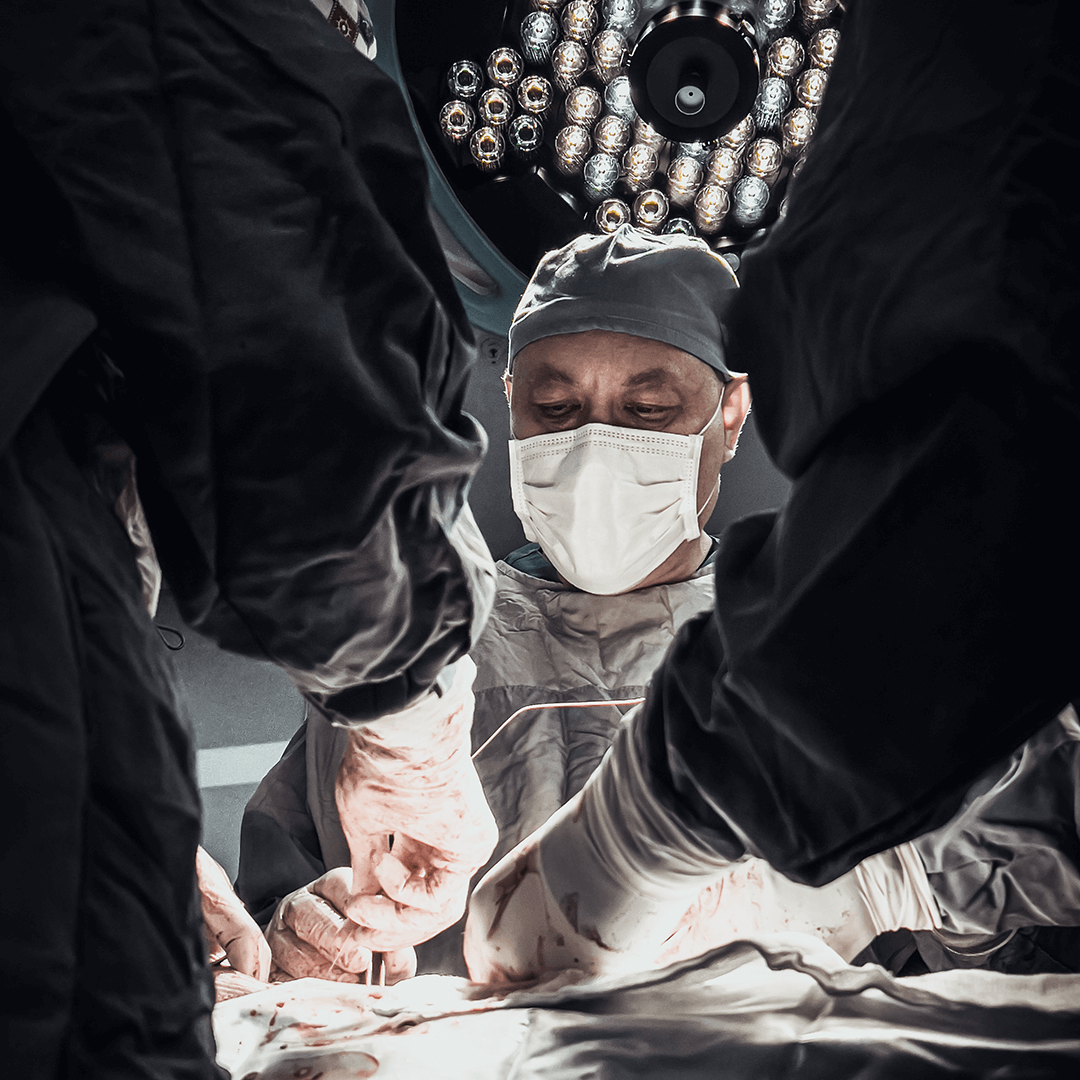
Menopause, although a natural part of the aging process, has treatments available that can help manage symptoms and improve quality of life. Hormone therapy, which involves replacing estrogen and progesterone no longer produced by the ovaries, is a common treatment option. Other medications, such as antidepressants, may also be effective in managing specific symptoms.
In addition to medical treatments, lifestyle changes can be beneficial in managing menopausal symptoms. These include maintaining a healthy diet and exercise routine, practicing stress-reduction techniques such as yoga or meditation, and avoiding certain triggers like caffeine, alcohol, and spicy foods.
It is important for women to discuss their experiences with menopause with their doctors and develop a treatment plan tailored to their individual needs and preferences. With proper care and support, women can manage this transition and enjoy a healthy and fulfilling post-menopausal life.
In conclusion, menopause is a natural biological process that marks the end of a woman's reproductive years. While it can cause a range of physical and emotional changes, treatments are available to help manage symptoms and improve quality of life. Women should talk to their doctors about their experiences with menopause and work together to create a personalized treatment plan that meets their needs and preferences. With the right care and support, women can successfully navigate this transition and enjoy a satisfying life after menopause.
Sizlere daha iyi bir hizmet sunabilmek için sitemizde çerezlerden faydalanıyoruz. Sitemizi kullanmaya devam ederek çerezleri kullanmamıza izin vermiş olursunuz. Çerez Politikası için Tıklayın !